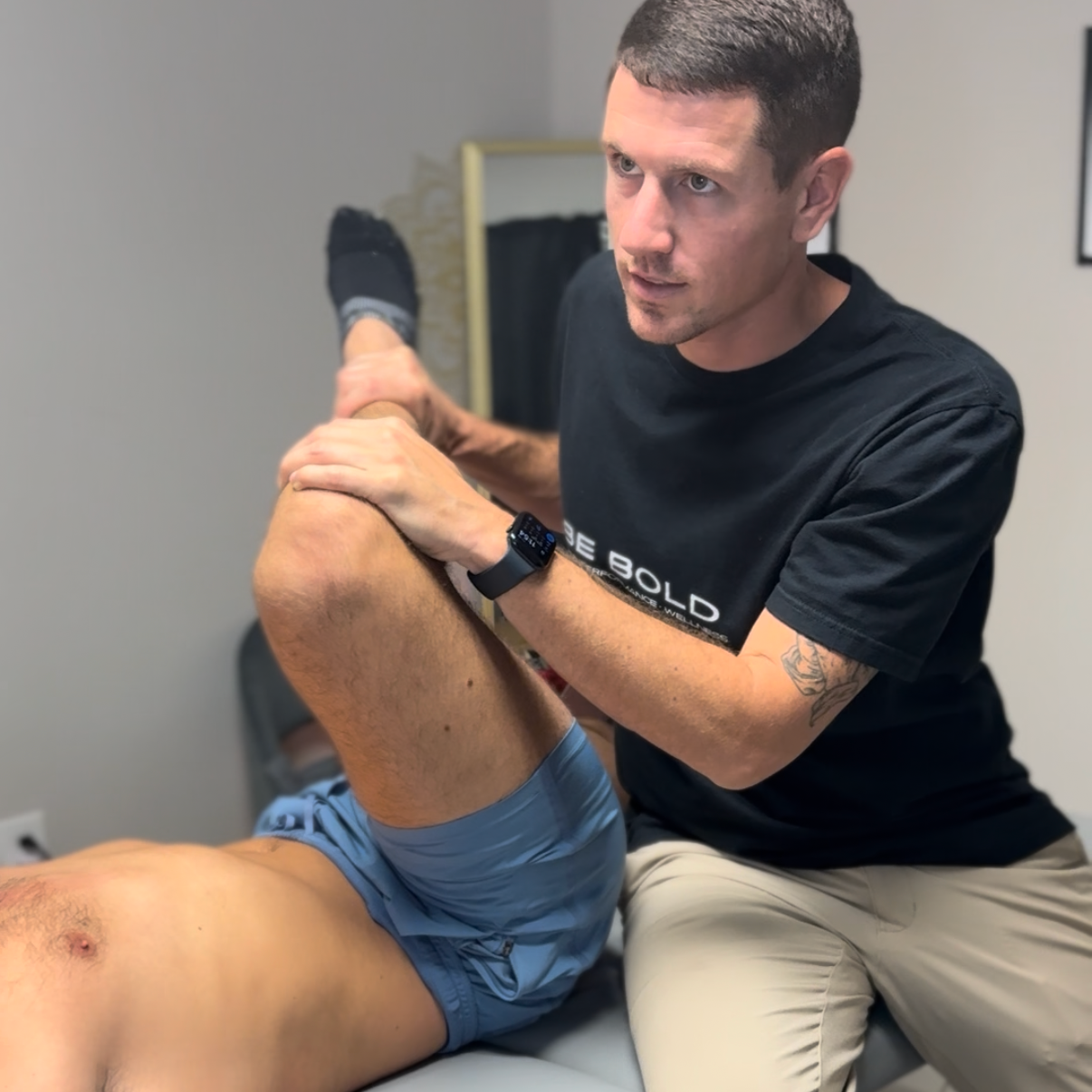
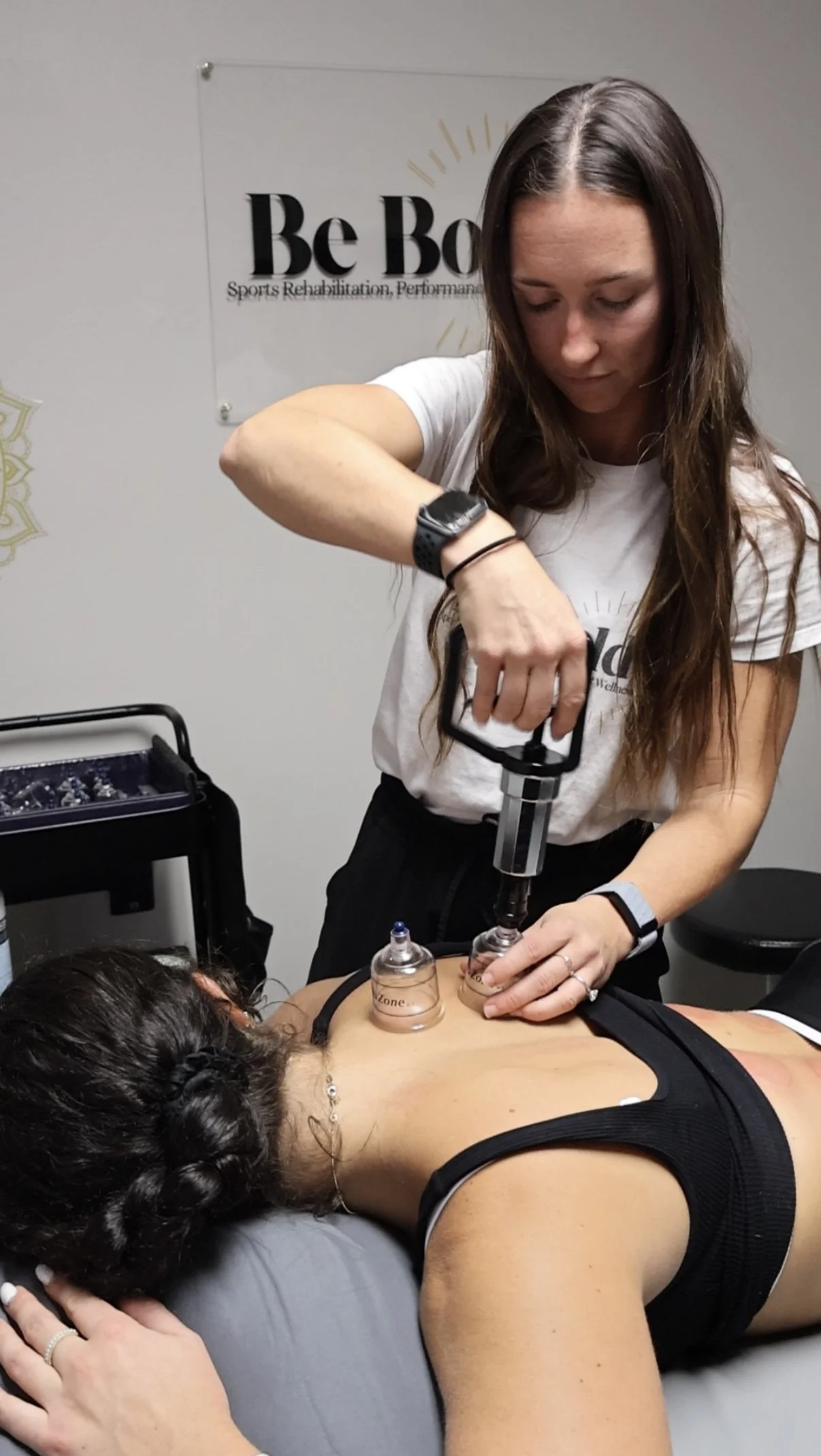
 Image 1 of 1
Who Can Benefit From Athletic Recovery?
Athletic recovery may be useful for:
Runners
Lifters and strength athletes
CrossFit & Hyrox athletes
Cyclists
Triathletes
Recreational athletes
Competitive athletes
Active adults
Individuals with demanding training schedules
Anyone looking to prioritize recovery and injury prevention
How Athletic Recovery Supports Your Training
1. Supports Recovery Between Workouts
Recovery strategies can help your body manage the physical demands of regular training and activity.
2. Maintains Mobility
Mobility-focused recovery can help you maintain comfortable movement and address areas that feel tight or restricted after training.
3. Helps Identify Areas of Concern
Regular recovery sessions can help you become more aware of areas that aren't moving or recovering the way they normally do.
4. Supports Injury Prevention
Maintaining strength, mobility, movement quality, and recovery habits can be an important part of reducing injury risk and staying consistent with your training.
5. Keeps You Ready to Perform
The goal is to help you continue doing the activities you enjoy while giving your body the attention it needs between workouts and training sessions.
Athletic Recovery vs. Physical Therapy
Athletic recovery is designed for individuals who are currently able to participate in their normal activities and want to focus on recovery and injury prevention.
If you're experiencing nagging pain, persistent symptoms, weakness, or an active injury, athletic recovery may not be the appropriate service.
Instead, book a physical therapy or occupational therapy evaluation so we can properly assess what's going on and determine the best course of care.
Frequently Asked Questions
Is athletic recovery the same as physical therapy?
No. Athletic recovery is focused on recovery, mobility, and injury prevention for active individuals who are not currently dealing with an injury. Physical therapy is used to evaluate and treat injuries, pain, movement limitations, and other conditions.
Can athletic recovery help prevent injuries?
Recovery is one component of an overall injury-prevention strategy. Maintaining mobility, strength, movement quality, and appropriate training habits can help support your ability to stay active.
Can I do athletic recovery if I have pain?
If you have ongoing, nagging, or unexplained pain, we recommend booking a physical therapy or occupational therapy evaluation rather than using athletic recovery to treat the problem.
Who is athletic recovery for?
Athletic recovery is ideal for active adults and athletes who want to stay consistent with training, maintain mobility, and prioritize recovery between workouts or competitions.
How often should I have athletic recovery sessions?
There isn't one schedule that works for everyone. Frequency can depend on your training volume, activity level, goals, and how your body responds to training.
Stay Ready. Recover With Purpose.
Your training doesn't stop when your workout ends. Recovery is part of the process.
At Be Bold Performance & Wellness, athletic recovery is designed to help active adults and athletes maintain their bodies, support their training, and stay ready for what's next.
Want to prioritize your recovery? Book an athletic recovery session today.
Currently dealing with an injury or nagging pain? Book a physical therapy or occupational therapy evaluation instead.